I’ve always liked the idea of New Year’s Resolutions. Starting a new year with an intention to better my life in some way, is very appealing to me. Many people include an organizing project or habit as part of their new year’s resolution. As a Professional Organizer, I fully support this. However, I’d like to offer another option that can help you help others, as well as, help you get organized. This year, my new year’s resolution is to perform at least one small acts of kindness each week. This idea was sparked by a newsletter I received last year with a list of 60 small acts of kindness. Many of the listed acts encourage you to perform organizing actions as well. Maybe this list will inspire you to help others and get organized.
60 Small Acts of Kindness
- Hold the door open for the person behind you.
- Introduce yourself. Make new colleagues, classmates, etc. feel welcome.
- Clean out all your old clothes and donate them to someone in need. Your old is another person’s new.
- Write a positive Yelp review about a local business you like.
- Listen intently to people’s stories without trying to fix everything.
- Donate blood. One pint of blood can save up to three lives. Locate your nearest blood drive.
- Volunteer at a hospital, homeless shelter, nursing home, etc. Get outside of yourself and help others. Check out Volunteer Match.
- Buy house warming gifts for new neighbors.
- Inspire others online.
- Share your umbrella with a stranger on a rainy day.
- Check up on someone who looks lonely.
- Let someone with only a few items cut you in line at the grocery store.
- Spread good news.
- Replace what you’ve used. For example, fill up the copier or printer with paper after you’re done using it or start a fresh batch of coffee.
- Give words of encouragement to someone about their dreams, no matter how big or small they are.
- Stop and buy a drink from a kid’s lemonade stand.
- Help someone get your parking space in a crowded parking lot when you’re leaving.
- Babysit for couples or single parents who don’t get out much so they can have some alone time.
- Look for ways to save a few extra bucks a month and then donate it to a good cause or charity.
- Shop at your local charity thrift store. The money you spend there helps others.
- Help someone get active. There’s a coworker or acquaintance in your life who wants to get healthy, but needs a helping hand. Offer to go walking or running together or join a gym together.
- Check out FreeRice.com – a site that gives to those in need when you playing a game.
- If someone you love really likes something (a meal, a favor, etc.) give it to them when they least expect it.
- Make a difference in the life of a child. Give them your time and undivided attention. Read Raising Kids Who Will Make a Difference.
- If you shop online, make your purchase through Give Back America.
- Pay for the person in line behind you.
- Drop off your old eye glasses at your local LensCrafters as a donation to the OneSight program.
- Create a care package and send it to an active duty military unit.
- Redirect gifts. Instead of having people give you birthday and holiday gifts, ask them to donate gifts or money to a good cause.
- The next time you see someone pulled over with a flat tire, or in need of assistance, stop and ask how you can help. Read How to Be an Everyday Philanthropist.
- Become a mentor or tutor to someone in need.
- Help the weary shopper in front of you who needs that extra two or three cents to avoid breaking a 20-dollar bill.
- Come to the rescue. If you realize someone is sick, bring them some hot tea, soup, etc.
- Be a courteous driver. Let people merge in front of you.
- Put some change in an expired parking meter (where it‘s legal).
- Offer your seat to someone when there aren’t any left.
- Listen to someone’s pain and help them find a path through it.
- Hug a friend. Let them know how important they are.
- Think twice before you throw something away. As Jack Johnson once said, “Reduce, reuse, and recycle.”
- Help an entrepreneur with a Kiva donation.
- Bake cookies or brownies and share with a neighbor or colleagues.
- If you have a good book you’ve read that’s just sitting around on a book shelf, give it away to a friend.
- Become a member of Freecycle, and participate.
- Clean up litter in a park or open space nearby.
- Look into co-housing a collaborative neighborhood initiative.
- Borrow and lend things in your neighborhood by using Neighborgoods.net.
- Send a nice email or handwritten card to someone you know, unexpectedly.
- Leave encouraging post-it notes in library books and other random places.
- If you see a couple taking a self-pic, offer to take the picture for them.
- Setup a donation box at your school, work or place of worship and ask others to make canned/dried food contributions. Then deliver the donations accordingly.
- Join efforts to preserve and protect the environment.
- Donate cat and dog food to an animal shelter. Call and ask what is needed.
- Compliment someone who deserves it.
- If there’s been an accident or a potentially hazardous situation presents itself on the road, report it to the local authorities. Your phone call could save a life.
- Collect and donate prom dresses for underprivileged youth. Check out the Princess Project.
- When you’re getting fast food, buy an extra meal for a homeless person.
- Stand up for someone. Lend your voice. Often the powerless, the homeless, the neglected in our world need someone to speak up for them.
- Take the time to teach someone a skill you know.
- Teach others how to make a difference in this world by setting a good example every day. Read 29 Gifts: How a Month of Giving Can Change Your Life.
- When someone wants to repay you for something, ask them to pay it forward.
May 2016 be filled with kindness and organization.
List provided by Mike Michel from R.S. Gilmore Insurance Agency, Inc.
© January 2016 Janine Cavanaugh, Certified Professional Organizer® All rights reserved

 Have one empty container in each room of the house. At the end of each day, go room by room, and put any clutter that has accumulated into the empty container. At the end of each week, remove the contents of each container by putting items where they belong and tossing what you don’t need.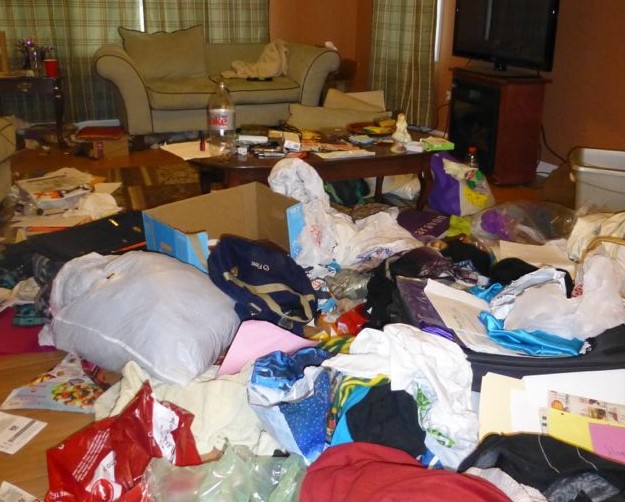













 Once a year host a party or event. This is great incentive to organize and de-clutter. In fact, having guests over is the number one motivator for getting organized.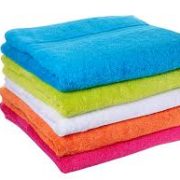
 Use color to help maintain order by having a color distinguish an individuals belongings. Have each person in the household pick a color she would like for her sheets, towels, lunch bag, hats, gloves, book bag, etc. This way each individual can easily see what belongs to her, and then be held accountable for keeping those things in order.

Follow Me