
Exit Strategy
 Do you have a plan for getting rid of stuff? If you did, would you get rid of more stuff? I have found that having a plan for getting rid of stuff helps me keep control of all the things I bring into my space. I call this plan an exit strategy, and it helps me stay organized. It can help you too. An exit strategy is the steps taken to remove material possessions from our spaces that are no longer needed, used, appreciated, or cherished. The end result of an exit strategy is that a particular item is gone from our space, and we no longer need to do something with it or think about it.
Example #1 – exit strategy for any type of invitation
 Receive invitation. RSVP to invitation. Put details of invitation on calendar. Recycle paper invitation or delete email invitation.
Example #2 – exit strategy for any type of toy
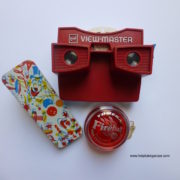
 Acquire toy. Play with toy. If toy breaks or pieces go missing, fix or replace pieces within 3 months or get rid of it. Donate or sell toy within 1-3 years if it’s no longer being used. A wonderful place to donate small toys is Cradles to Crayons in Brighton, MA.
Example #3 – exit strategy for any type of coupon
 Receive coupons. Immediately recycle any coupons you know you won’t use. Store the rest of the coupons in a specific location until they can be used. Two storage options for coupons are in a basket on the refrigerator, or in a zip lock bag in your purse. Sort through coupons on the first of every month and recycle all the outdated ones.
Example #4 – exit strategy for any type of electronic device
 Acquire electronic device. Use electronic device. If electronic device breaks or pieces go missing, fix or replace pieces within 3 months or get rid of it. Donate, sell, or recycle electronic device within 1-3 years if it’s no longer being used. (Want ideas on what to do with the box that the electronic device came in?) A great place to recycle electronics is Indie Cycle, and a place to sell electronics is Decluttr.
Example #5 – exit strategy for any type of kitchen gadget
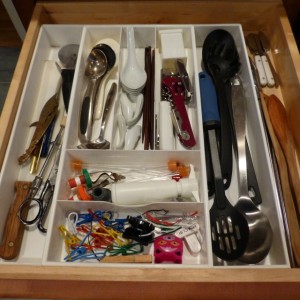
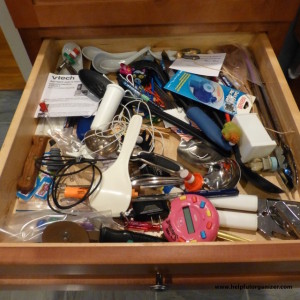
 Acquire kitchen gadget. Use kitchen gadget. If kitchen gadget breaks or pieces go missing, fix or replace pieces within 3 months or get rid of it. Donate, sell, or recycle kitchen gadget within 1-3 years if it’s no longer being used. (Want ideas on how to organize a kitchen junk drawer?)
An exit strategy helps us stay organized and in control of what comes into our space. Planning ahead is key to being successful. One way to plan ahead is to establish your exit strategies with a list of donation options attached.
© March 2017 Janine Cavanaugh, Certified Professional Organizer® All Rights Reserved
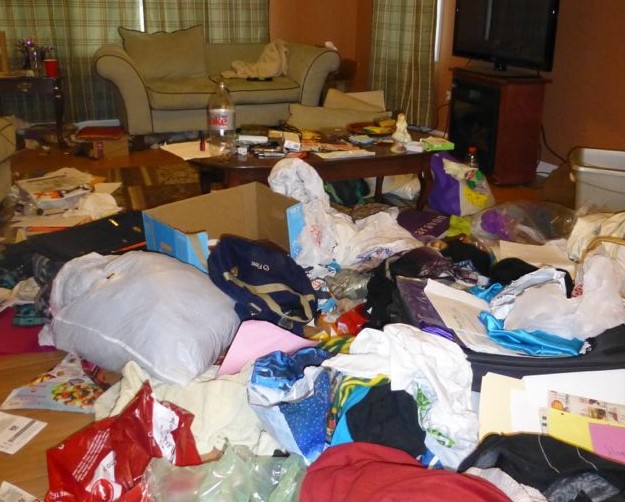
 The world is full of useful things, but if you’re not using them, they are not useful to you. So, remove all those things that are not useful to you, by
 Janine Cavanaugh, CPO

Follow Me