
Wardrobe swap
|
|||||||||||||||||||||||||
|
|||||||||||||||||||||||||

|
|||||||||||||||||||||||||
|
|||||||||||||||||||||||||
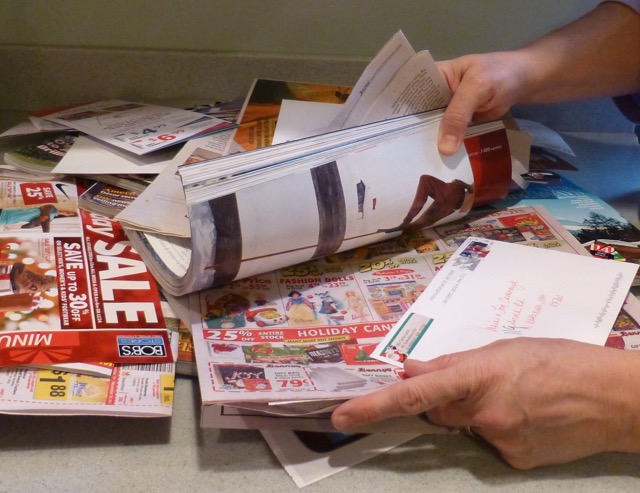
While having lunch with a friend, she proclaimed “piles happen”. I readily agreed, and shared that the best way to combat piles is to store paper vertically, not horizontally. For example, instead of setting the mail down on the counter, and letting it pile up, sort it into a divided vertical container. Another example is to put newspapers, magazines, catalogs, and in a container that holds them upright.
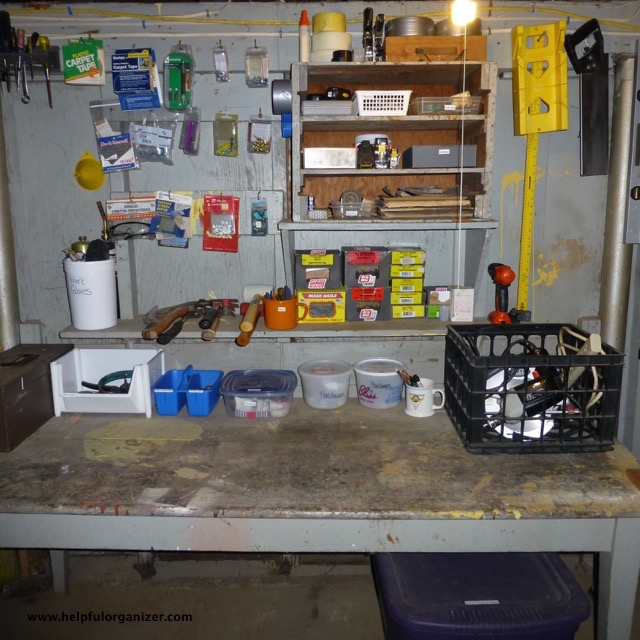
 Workbenches, craft corners, sewing rooms, scrapbook areas, and the like, are all potential hotbeds of mess. These locations are filled with tools and supplies that get used and reused often. They are also locations that house potential, ongoing, and almost finished projects. So, organizing them, and keeping them organized can be challenging.
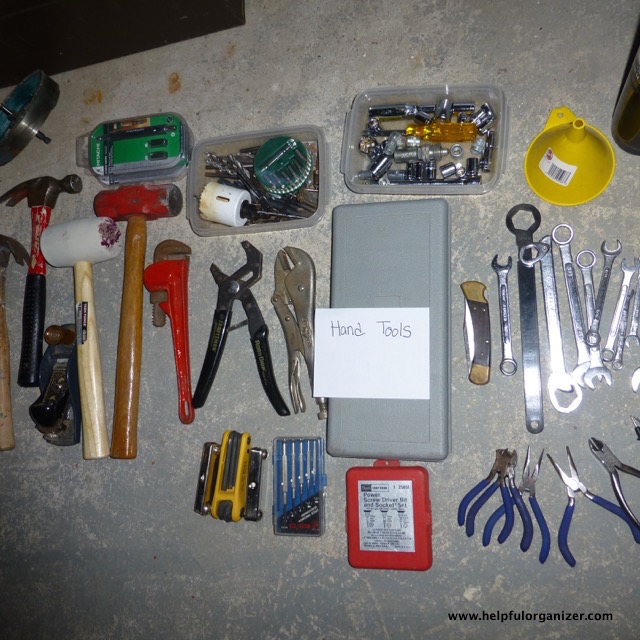
I’ve been itching to help my husband organize his workbench for years. I understand that it’s his domain, (just like my scrapbooking area is my domain) and that’s why I didn’t take over and just do it myself. We tackled the project together. It took us 3.5 hours to work through the organizing process, but when we were finished his tools and supplies were organized, he had a list of all his works-in-progress, and he had plenty of space to actually work on his workbench.
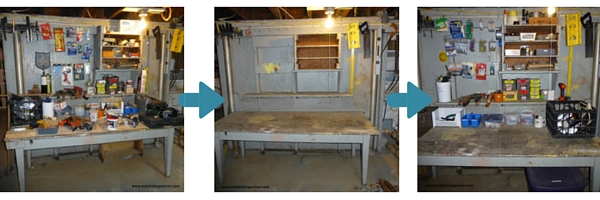
We both were pleased with the results and considered the project a success. Here are some helpful tips that can assist you in successfully organizing your work area (whatever area that may be):


©September 2015 Janine Cavanaugh, Certified Professional Organizer® All rights reserved.

Proud member of NAPO
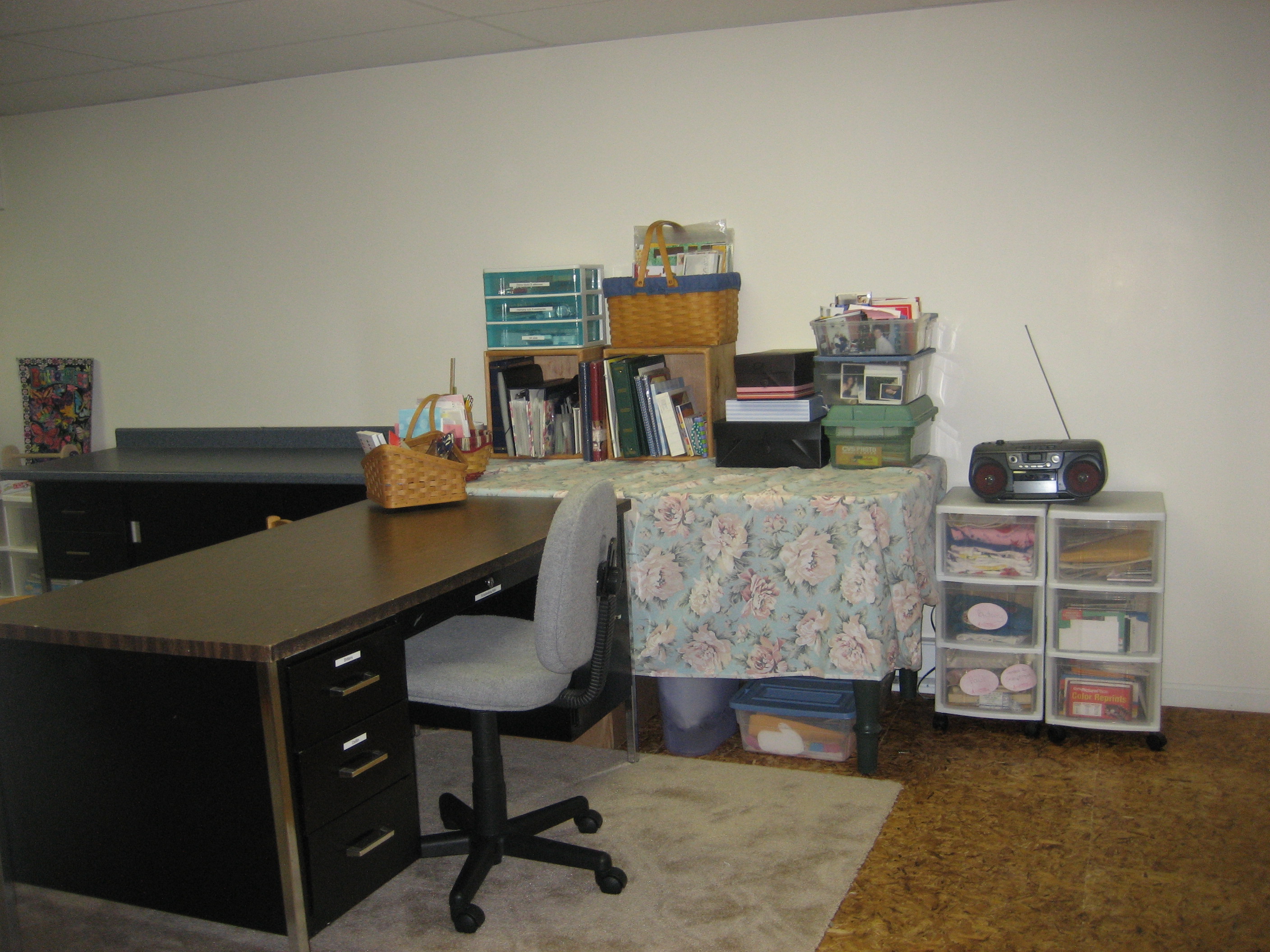
Keeping projects on the table, counter, desk, or tool bench, because you worry that once they are out of sight, they are out of mind, is a common concern. This two step process will help you organize ongoing projects and get them done. It has been successful for me. Step 1 – Keep an ongoing project list on the fridge, and put the projects away. Step 2 – Block out time on your calendar to work on your projects. Schedule increments of time that allow you to have the project completed when you wish it to be done.
 While looking for a list of skincare products that I wanted to share with a friend, I realized that it was time to reclaim order in my Fashion File. I knew I had tucked the list into my file somewhere, but when I went to look for it, I couldn’t find it. I quickly deduced that the main reason for this was that there was a surplus of irrelevant information in the file. It held current and relevant information, but also held some outdated information that was no longer of interest to me.
Therefore, I allowed myself 15 minutes to reclaim order. I did this by pruning each category of the Fashion File and making decisions on what information was worth keeping, and what was to be discarded. Here is a list of what I discarded: 8 outdated or duplicate business cards, 1 outdated jewelry catalog, 12 magazine clippings on products, tips, and ideas (I’m a bit embarrassed to admit I clip from magazines, but in my opinion, it’s better than keeping the whole magazine.), 1 outdated skincare catalog, 5 old purchase receipts (shred them), and 8 notes of websites to look at or items to try. At the end of a very productive 15 minutes I had located the list of skincare products that I wanted to share with my friend, and reclaimed order in my Fashion File.
By taking the time, at that moment, to reclaim order, I stopped the accumulation of paper, and prevented my Fashion File from turning into a huge, inefficient mess. This is what I call preserving the natural flow of the organizing process. The natural flow of the organizing process looks like this:
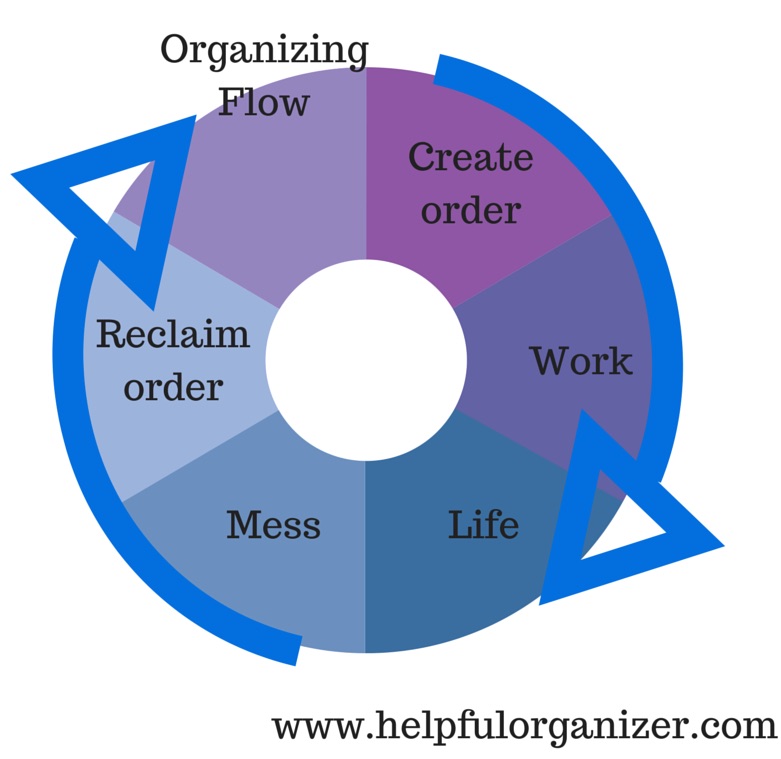
One very important factor to keep in mind when preserving the natural flow of the organizing process is to keep the duration between creating order and reclaiming order short enough, so that the act of reclaiming order doesn’t take too long, and isn’t an overwhelming task. If we wait too long, or allow too much build up, the act of reclaiming order becomes overwhelming, stressful and frustrating. If you reach this point, reclaiming order may no longer be a do-it-yourself task. Just remember, it’s okay to ask for HELP!
© August 2015 Janine Cavanaugh, Certified Professional Organizer® All Rights Reserved
Proud member of NAPO














Follow Me