508-406-1021 I janine@helpfulorganizer.com
Helpful Organizer
  • Home
  • Meet Janine
  • Services
    • Organizing
    • Downsizing
    • Classes & Events
  • Questions
  • Before & After
  • Testimonials
    • Write a Review
  • Newsletter & Blog
  • Tip of the Month
  • Contact
  • Menu Menu
Found and Lost

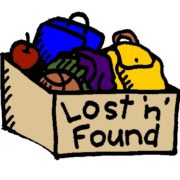
Lost & Found Box

April 1, 2016/0 Comments/in Tip of the Month/by Janine Cavanaugh, CPO®

Organizing tipEstablish a lost and found box for small items that you come across while organizing and cleaning up.  This way you’ll have a home for found parts to a game, pieces to a toy, buttons, screws, pens, lose change, etc.  Once a month empty out the lost and found box and put items where they belong or toss them.

https://helpfulorganizer.com/wp-content/uploads/2016/04/Lost-and-Found.jpg 413 500 Janine Cavanaugh, CPO® https://helpfulorganizer.com/wp-content/uploads/2026/01/18-Years-LOGO.jpg Janine Cavanaugh, CPO®2016-04-01 01:02:022016-12-23 17:41:52Lost & Found Box
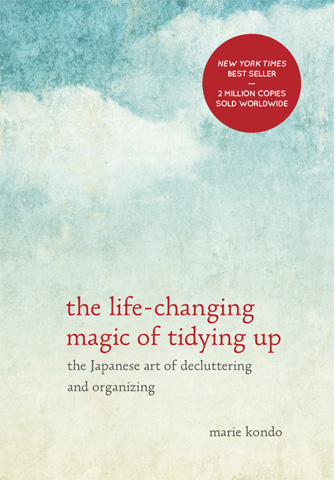
Marie Kondo book

10 Points on Which I Agree With Marie Kondo

March 15, 2016/0 Comments/in Blog Posts/by Janine Cavanaugh, CPO®

Helpful Organizer BlogThe popular book by Marie Kondo, “The Life-Changing Magic of Tiding Up” has been a topic of many discussions between my Professional Organizer colleagues and myself. I found that I agree with many of Marie Kondo’s points, as long as you substitute the word organizing in place of the word tidying. Here is a list of 10 points on which I agree:

  1. In most societies tidying (i.e. organizing) is the job that keeps the home livable, but is not taught because of the misconception that the ability to tidy (i.e. organizing) is acquired through experience and doesn’t require training. I agree with this point, because organizing is a skill that needs to be taught, learned, and, most of all, practiced.
  2. Effective tidying  (i.e. organizing) is discarding and deciding where to store things. I agree with this point, because organizing is action. It’s discarding, in a timely manner, what is no longer wanted, needed, or used. It’s also deciding where to put things, and returning those things to the same spot every time they are used.
  3. Tidying (i.e. organizing) is a dialogue with one’s self. I agree with this point, because when we perform the actions of organizing, discarding and deciding, we have internal dialogues with ourselves.
  4. Focus more on what you want to keep in your life and space than on what you want to get rid of. I agree with this point, because it’s easier to make decisions when we focus on what’s important to us and worth keeping in our lives and spaces.
  5. It’s easy to part with things where there is an obvious reason for doing so, but it’s much more difficult when there is no compelling reason. I agree with this point, because we often hold onto things out of indecision or obligation.
  6. Sometimes never comes. I agree with this point, because when we use the word “sometimes” it is most likely an excuse. The phrases, “I might need that sometime.” or “I might use that sometime.”, are excuses to keep an item, instead of accepting that we don’t need it, and that it is time to let it go.
  7. If you have lived in Japan or USA all your life, you have almost certainly been surrounded by more than you need. I agree with this point, because it’s estimated that the amount of unopened merchandise in an average American home is $7,00.00.
  8. Clutter is cause by a failure to return things to where they belong. Therefore storage should reduce the effort needed to put things away, not the effort to get them out. I agree with this point, because more people have trouble putting things away than they do in getting them out.
  9. Discarding hones one’s decision-making skills. I agree with this point, because practice improves the skill of organizing.
  10. Tidying (i.e. organizing) ought to be the act of restoring balance among people, their possessions, and the house they live in. I agree with this point, because it has been proven that organized people are less stressed.

Marie Kondo book

©March 2016  Janine Cavanaugh, Certified Professional Organizer®  All Rights Reserved

https://helpfulorganizer.com/wp-content/uploads/2016/03/the_life_changing_magic_of_tidying_up_english@2x.jpg 480 336 Janine Cavanaugh, CPO® https://helpfulorganizer.com/wp-content/uploads/2026/01/18-Years-LOGO.jpg Janine Cavanaugh, CPO®2016-03-15 01:15:462026-03-02 19:56:5910 Points on Which I Agree With Marie Kondo
action clapboard

Attack Clutter

March 1, 2016/0 Comments/in Tip of the Month/by Janine Cavanaugh, CPO®

Organizing tipOrganizing is action and clutter is unfinished action. To prompt yourself to take action and attack clutter, use bright colored sticky notes to tag the clutter with the action that is needed to make it go away. Then give yourself time to follow through with the action step that’s written on the sticky note.

https://helpfulorganizer.com/wp-content/uploads/2016/05/Clapboard.jpg 640 854 Janine Cavanaugh, CPO® https://helpfulorganizer.com/wp-content/uploads/2026/01/18-Years-LOGO.jpg Janine Cavanaugh, CPO®2016-03-01 14:24:202016-12-23 17:43:53Attack Clutter
3D Character and question mark

How to Decide When It’s Time to Organize

February 15, 2016/0 Comments/in Blog Posts/by Janine Cavanaugh, CPO®

Helpful Organizer BlogHow often do we organize? Do we let the mess and clutter build and build before you reclaim order? How do we decide when it’s time to organize? The answers to these questions vary for each individual, based on tolerance and desire.

Every individual has their own personal level of tolerance for disorder, meaning how much mess they are willing to live with before they clean it up. If we have a low tolerance for disorder, we don’t allow mess to happen or spread. However, if we have high tolerance for disorder, we find that clutter grows and spreads before we realize it’s out of control.

Additional, every individual has their own personal desired level of order, meaning how much clutter they can live with before they take action and remove it. If we desire a high level of order, we have systems in place that prevent clutter from happening. However, if our desire for order is low, we allow the mess to get out of control.

The best solution is to determine when it’s time to organize, and then take action before the mess and clutter get out of control. Here are 3 basic guidelines we can use to determine when it’s time to take action and organize.

  • Time Guideline
  • Quantity Guideline
  • Visual Assessment Guideline

A Time Guideline is when we use a specific time or day as the cue to take action and organize. Here are a few examples. Every night before eating dinner, we put away what’s collected on the kitchen/dinning room table. Every night at 8:00PM, we organize and prepare for the next day. The last Saturday of every month, we take care of recycle items and donate items. Every September, we clean out the garage.

A Quantity Guideline is when we use a specific unit of measure to determine when it’s time to take action and organize. Here are a few examples. When our inbox is an inch deep, we process all the mail. When the shred box is full, we empty it by shredding it’s contents. When the magazine rack is full, we remove and recycle 5 magazines. When we have two weeks worth of old newspapers, we recycle them.

A Visual Assessment Guideline is when you use a specific visual cue to determine when it’s time to take action and organize. Here are a few examples. When we can’t see the desk, we organize the desk. When the floor of the walk-in closet is hidden, we organize the closet. When there are too many items on the kitchen counter, we clear it off and put things away.

Based on our personal tolerance and desire we’ll be drawn to a specific type of guideline.  The key is to find guidelines that work and stick with them, because trouble occurs when we don’t establish any guidelines, we ignore our guidelines, or we’re unable to maintain our guidelines.

So, the best way to decide when it’s time to organize is to first look at our tolerance for disorder and our personal desired level of order. Second, establish organizing guidelines. Third, follow the guidelines that have been established. Remember, the best guideline is the one we will DO.


© February 2016  Janine Cavanaugh, Certified Professional Organizer®  All Rights Reserved

https://helpfulorganizer.com/wp-content/uploads/2016/03/question-mark.jpg 4000 4000 Janine Cavanaugh, CPO® https://helpfulorganizer.com/wp-content/uploads/2026/01/18-Years-LOGO.jpg Janine Cavanaugh, CPO®2016-02-15 01:19:592016-12-23 18:34:43How to Decide When It’s Time to Organize
timer

De-clutter in 5 Minutes

February 1, 2016/0 Comments/in Tip of the Month/by Janine Cavanaugh, CPO®

Organizing tipHave one empty container in each room of the house.  At the end of each day, go room by room, and put any clutter that has accumulated into the empty container.  At the end of each week, remove the contents of each container by putting items where they belong and tossing what you don’t need.

https://helpfulorganizer.com/wp-content/uploads/2014/11/timer.jpg 300 300 Janine Cavanaugh, CPO® https://helpfulorganizer.com/wp-content/uploads/2026/01/18-Years-LOGO.jpg Janine Cavanaugh, CPO®2016-02-01 01:51:282016-12-23 18:41:23De-clutter in 5 Minutes
Page 44 of 65«‹4243444546›»
Search Search

Categories

  • Blog Posts
  • Newsletter
  • Tip of the Month

Recent posts

  • Declutter filter
  • Deciding what to keep
  • Bathroom organizing
  • Easy stuff to get rid of
  • Stop Buying Containers—Start Decluttering
  • Happy Valentine’s Day!
  • Too much stuff!
  • Want less?
  • Stop excess
  • Simplify the holidays

ORGANIZING

Learn more about this service here

Follow Me

Follow Us on FacebookFollow Us on LinkedInFollow Us on PinterestFollow Us on YouTubeFollow Us on E-mail
Sign Up for Newsletter
Chapter member of NAPO-NE
© Copyright Janine Cavanaugh, Certified Professional Organizer® - powered by Enfold WordPress Theme
Scroll to top Scroll to top Scroll to top