
More Clutter Excuses
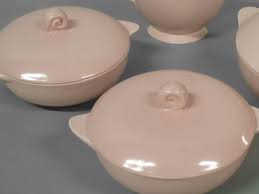 We all hold onto things for a variety of reasons. Some of those reasons are valid and worthwhile. For example, I’m holding onto my Grandmother’s necklace, because it’s a beautiful piece of jewelry that I enjoy wearing, especially when I want to be reminded of her. Unfortunately, some reasons for holding onto things are not valid or worthwhile. For example, the only reason I’m holding onto my (never used) serving dishes is because they were a gift. When the reason for holding onto something is not valid or worthwhile, it could be a clutter excuse. Clutter Excuses provide us with reasons to hold onto something, so we don’t have to make the (potentially difficult) decision to get rid of it. I find that honesty is the best policy when it comes to making decisions. By honestly answering thought provoking questions regarding why we are holding on to something, we can truthfully evaluate it’s significance in our lives.
A common clutter excuse I hear is, “Someone gave, or bequeathed it to me.” I believe that a gift is meant to bring joy, and that no gift-giver wants their gift to be a burden. Answer these five questions truthfully to determine if it’s a burden and time to let it go.
- It’s yours, and you can do anything you want with it. What would make you happy?
- Can you keep a piece or portion of it, and get rid of the rest of it?
- Can you take a photo of it and then let it go?
- Do you know someone else who will treasure it?
- If it’s just in a box in the attic, is it worth keeping?
Another common clutter excuse I hear is, “It’s still good.” Not everything we part with is broken or unusable. It’s okay to get rid of items we don’t need, want, or use, even if they are still workable and usable. There are several options available to us when passing on items like this, and removing them provides us with a less cluttered space. Answer these five questions truthfully to determine if it’s time to pass it along to someone else.
- If it’s still good, why aren’t you using it?
- Could someone less fortunate benefit from it?
- What are the costs of getting rid of it, verses the cost of keeping it, storing it, cleaning it, and maintaining it?
- How much space is it taking up?
- How stressful is it to keep it?
I don’t have any children of my own, so I don’t use this common clutter excuse, “I’m saving it to pass on to my children.” Have you uttered this excuse? If so, answer these five questions truthfully to determine if it’s time to stop saving and let it go.
- How sure are you that they will want it?
- Are you willing to ask your children if they will want it? If they are too young to ask at this moment, will you ask them in the future?
- What are the costs of letting someone benefit from it now, verses the cost of keeping it, storing it, cleaning it, and maintaining it?
- Could someone less fortunate benefit from it, now?
- How stressful is it to keep it?
It does take time to make decisions and get rid of stuff. Have you ever used time as an excuse? “I don’t have time to deal with it.” Answer these five questions truthfully to determine if it’s time to make time.
- How much time do you feel it requires?
- If you did have time, what would you do with it?
- Can someone else deal with it?
- Can you see yourself making time to deal with it, if you had an incentive?
- How much more needs to accumulate in order for you to make time to deal with it?
As I mentioned before, we all hold onto things for a variety of reasons, but the best reasons are valid and worthwhile. I hope these questions help you conquer your clutter excuses and provide you with peace of mind.
© May 2015 Janine Cavanaugh, CPO® All rights reserved
Proud member of NAPO




Follow Me