
Tag Archive for: organizing tips

Fashion File

skincareOne of the reasons we hold onto paper is because we need or want to reference the information (on the paper) in the future.  However, what happens when we can’t put our hands on a piece of paper quickly and easily?  We waste time hunting and searching for that paper, or we attempt to find the information from another source.  Is there really any need to save paper that we can’t find quickly and easily?  No!  So, what will help us find specific papers when we need them?

An organized paper storage system will help us locate what we want, when we need it, and help us remember where paper is stored.   Creating an organized system can be quite an undertaking.  The initial step in this undertaking is to have a paper storage container (ie. file cabinet) that holds alphabetical files that are labeled with file names.  It is essential to customize the file names to reflect our specific, personal retention needs. The best way to do this is to create file names that uniquely describe what information is stored inside the file.  This is much more efficient than using generic or standardized names.  For example I use the file name “Kia Soul” instead of Auto, Car, or Vehicle.

Another example of a customized file that I have is my “Fashion File”.  It holds all the girly things that I want to reference, look into, check out, or use.  It contains 5 separate categories, hair, jewelry, nails, skincare, and wardrobe.  The types of papers that I store in each category are as follows:

Hair – contact information for my current stylist, pictures of hair styles that I like, products I want to try
Jewelry – receipts of jewelry purchases, business cards for jewelry consultants, jewelry catalogs
Nail – business cards for local nail salons with times and directions
Skincare – business cards for skincare consultants, products I want to try, lists of chemical free products, skincare catalogs
Wardrobe – contact information for image consultants, tips for my body type, fashion styles I like

By establishing and using this unique file name, and other personalized file names, I have created an organized system that helps me remember where my papers belong and where I can find them when I need them.  This approach could work for you.  If you do use it please share with me what file names you use.

© June 2015  Janine Cavanaugh, Certified Professional Organizer®  All Rights Reserved
NAPO

Proud member of NAPO

More Clutter Excuses

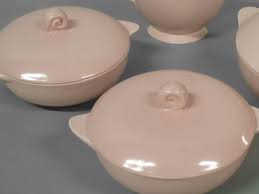
dishesWe all hold onto things for a variety of reasons.  Some of those reasons are valid and worthwhile.  For example, I’m holding onto my Grandmother’s necklace, because it’s a beautiful piece of jewelry that I enjoy wearing, especially when I want to be reminded of her.  Unfortunately, some reasons for holding onto things are not valid or worthwhile.  For example, the only reason I’m holding onto my (never used) serving dishes is because they were a gift.  When the reason for holding onto something is not valid or worthwhile, it could be a clutter excuse.  Clutter Excuses provide us with reasons to hold onto something, so we don’t have to make the (potentially difficult) decision to get rid of it.  I find that honesty is the best policy when it comes to making decisions.  By honestly answering thought provoking questions regarding why we are holding on to something, we can truthfully evaluate it’s significance in our lives.

A common clutter excuse I hear is, “Someone gave, or bequeathed it to me.”  I believe that a gift is meant to bring joy, and that no gift-giver wants their gift to be a burden.  Answer these five questions truthfully to determine if it’s a burden and time to let it go.

  • It’s yours, and you can do anything you want with it.  What would make you happy?
  • Can you keep a piece or portion of it, and get rid of the rest of it?
  • Can you take a photo of it and then let it go?
  • Do you know someone else who will treasure it?
  • If it’s just in a box in the attic, is it worth keeping?

Another common clutter excuse I hear is, “It’s still good.”  Not everything we part with is broken or unusable.  It’s okay to get rid of items we don’t need, want, or use, even if they are still workable and usable.  There are several options available to us when passing on items like this, and removing them provides us with a less cluttered space.  Answer these five questions truthfully to determine if it’s time to pass it along to someone else.

  • If it’s still good, why aren’t you using it?
  • Could someone less fortunate benefit from it?
  • What are the costs of getting rid of it, verses the cost of keeping it, storing it, cleaning it, and maintaining it?
  • How much space is it taking up?
  • How stressful is it to keep it?

I don’t have any children of my own, so I don’t use this common clutter excuse, “I’m saving it to pass on to my children.”  Have you uttered this excuse?  If so, answer these five questions truthfully to determine if it’s time to stop saving and let it go.

  • How sure are you that they will want it?
  • Are you willing to ask your children if they will want it?  If they are too young to ask at this moment, will you ask them in the future?
  • What are the costs of letting someone benefit from it now, verses the cost of keeping it, storing it, cleaning it, and maintaining it?
  • Could someone less fortunate benefit from it, now?
  • How stressful is it to keep it?

It does take time to make decisions and get rid of stuff.  Have you ever used time as an excuse?  “I don’t have time to deal with it.”  Answer these five questions truthfully to determine if it’s time to make time.

  • How much time do you feel it requires?
  • If you did have time, what would you do with it?
  • Can someone else deal with it?
  • Can you see yourself making time to deal with it, if you had an incentive?
  • How much more needs to accumulate in order for you to make time to deal with it?

As I mentioned before, we all hold onto things for a variety of reasons, but the best reasons are valid and worthwhile.  I hope these questions help you conquer your clutter excuses and provide you with peace of mind.

© May 2015  Janine Cavanaugh, CPO®  All rights reserved

NAPO

Proud member of NAPO

Organizing Paper

Store action papers, notes, and reminders in one location.  Examples of action papers are, information that needs to entered into the computer, information that needs to be read and responded to, and contact information for someone who needs to be called.  The product I use is a multi-pocket organizer that is divided into days of the week, and the location I use is an easy access vertical file holder by my desk.  This gives me one place to store and retrieve action papers, notes, and reminders.  It also helps me to organize and prioritize those actions.

Organizing Tax Documents

Keep one tax document folder labeled with the current year, and add papers to it as they collect throughout the year.  Once your taxes have been filed for this year, transfer the documents to a bin labeled past tax documents, and write the specific years that are included in the bin.  Include with your past tax documents,  all your supporting tax papers, financial records for that year, and proof of tax payment.  Store the bin in a remote area.  Start a new tax folder for the next year.

Clutter Excuses

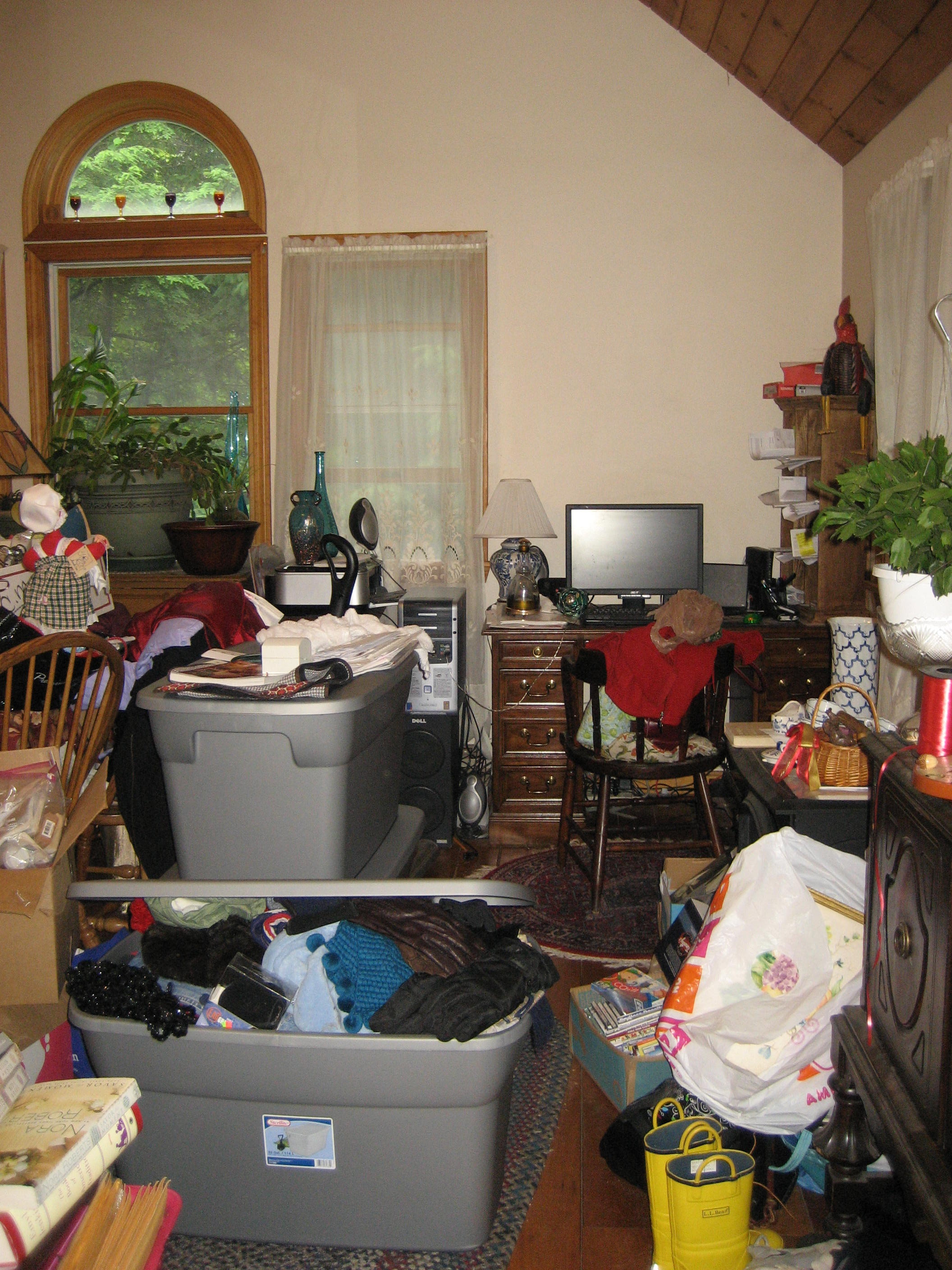
ClutterAccording to a National Association of Professional Organizers survey, 54% of Americans are overwhelmed by their clutter, and 78% find it too complicated to deal with.  Are you felling overwhelmed by clutter?  I understand that making decisions about what to keep and not keep can be difficult.  I also understand that when we don’t want to make decisions it’s easy to come up with excuses as to why we can’t let go of something.  I call them clutter excuses, and the best way to deal with them is to ask thought provoking questions, and to answer them honestly.  This helps determine if it’s time to stop making clutter excuses and let it go.

One of the most common clutter excuse I here is, “I might need it someday.”  We all have those tools, gadgets, and products that we can’t seem to let go of, even thought we haven’t touched them in years.  Answer these five questions truthfully to determine if it’s time to let it go.

  •  Honestly when can you see yourself using it?
  •  When is someday?  If it’s not in the next 3 years, let it go.
  •  What would the cost be if you did need to replace it?
  •  How much time would it take to replace it?
  •  How much effort would it take to replace it?

Another common clutter excuse I here is, “I paid a lot for it.”  We all have those items that we spent a bunch of money on, but they just didn’t work out, and we can’t seem to let them go.  That stinks, doesn’t it?  Answer these five questions truthfully to determine if it’s time to let it go.

  •  How long do you have to keep it to depreciate the value of it?
  •  If you hang on to it for another year will it have cost any less?
  •  Are you paying for your purchasing mistake with extended regret?
  •  The money is gone, why not let the item go also?
  •  Is there someone you know who will appreciate it?

“It’s valuable,” is another clutter excuse.  An amazing statistic is the average dollar amount of unopened, new merchandise in a typical American household is $7000.00  (Real Simple magazine 11-2012).  Answer these five questions truthfully to determine if it’s time to let it go.

  •  Do you know it’s real value and current worth?
  •  Are you considering the real value or the sentimental value?
  •  How valuable is it to you, personally?
  •  Is it realistically valuable to someone else?
  •  Is there someone you know who will appreciate it’s value?

Clutter happens, but if we don’t allow ourselves to use clutter excuses we can keep it under control.  Use these questions and let me know the outcome.

©March 2015   Janine Cavanaugh, CPO®  All rights reserved

NAPO

Proud member of NAPO